
Lifelong Mentors & Supporters
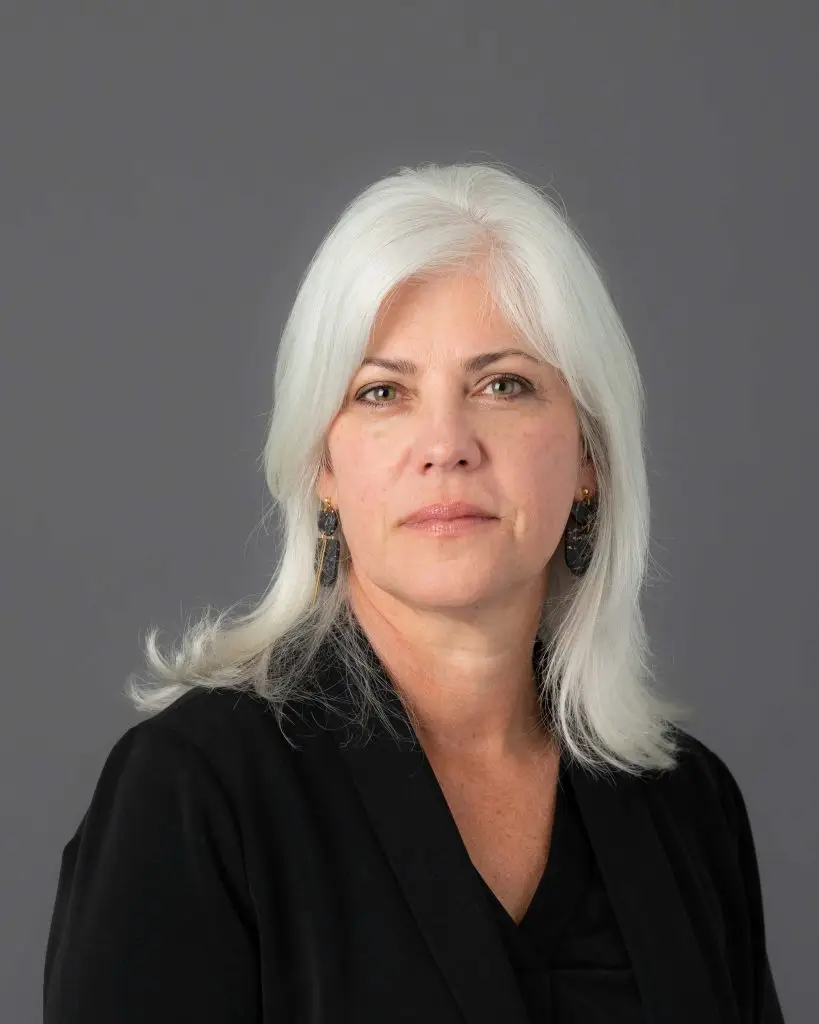
Dr. Jessica Burke, PhD, MHS
Trained in anthropology, social epidemiology, and health promotion, three overarching aims shape Dr. Jessica Burke’s scholarship: 1) utilizing innovative quantitative and qualitative methods to explore systems and the mechanisms linking context influences and health; 2) engaging stakeholders in the process of research and its translation; and 3) developing tailored interventions to address contextual influences. Dr. Burke is a Professor in the Department of Behavioral and Community Health Sciences (BCHS) and Vice Dean at the University of Pittsburgh School of Public Health. She directs the BCHS Concept Mapping Institute and the Community Based Participatory Research and Practice certificate program and teaches related graduate and undergraduate-level courses. The 2014 book Methods for Community Public Health Research: Integrated and Engaged Approaches (Springer Publishing Company) that she developed and co-edited provides additional details about her work. Dr. Burke’s research primarily focuses on the intersecting health issues of HIV/AIDS, intimate partner violence, substance use and mental health. In addition, she is committed to training the next generation of public health professionals to embrace creativity and complexity in order to improve population health and well-being.

Dr. Bhimsen Devkota, PhD
Professor, Health Education and Promotion
With a PhD in Public Health and Health Services Research from Aberdeen University, Scotland, UK, Dr. Devkota is a professor of health education and promotion at Tribhuvan University and also affiliated with a research consulting firm called Bikash Shrot Kendra, Nepal. He is involved in various research projects in Nepal and South Asia. He is well versed in applied and participatory action research on education, health, nutrition, health service research, A/SRH, WASH, global health, gender and migration, HIV/AIDS, behavior change communication, disaster management, peace and conflict, humanitarian assistance, child rights, evidence-based programming on population, gender and development, good governance, and social inclusion. He has published a dozen books, over 100 peer-reviewed articles and several books and book chapters, in addition to his extensive teaching and research experience of more than 30 years.

Dr. Marni Sommer, DrPH, MSN, RN
Marni Sommer, DrPH, MSN, RN, has worked in global health and development on issues ranging from improving access to essential medicines to humanitarian relief in conflict settings. Dr. Sommer’s particular areas of expertise include conducting participatory research with adolescents, understanding and promoting healthy transitions to adulthood, the intersection of public health and education, gender and sexual health, and the implementation and evaluation of adolescent-focused interventions. Her doctoral research explored girls’ experiences of menstruation, puberty and schooling in Tanzania, and the ways in which the onset of puberty might be disrupting girls’ academic performance and healthy transition to adulthood. Dr. Sommer presently leads the Gender, Adolescent Transitions and Environment (GATE) Program, based in the Department of Sociomedical Sciences. GATE explores the intersections of gender, health, education and the environment for girls and boys transitioning into adulthood in low-income countries and in the United States. GATE also generates research and practical resources focused on improving the integration of menstrual hygiene management and gender supportive sanitation solutions into global humanitarian response.

Dr. Christina Mair, PhD, MPH
Dr. Christina Mair is a social epidemiologist and an associate professor in the Department of Behavioral and Community Health Sciences at the University of Pittsburgh School of Public Health. Her research focuses on the social ecology of substance use, model-based approaches to study drinking behaviors and related problems, and population-based analyses of alcohol-related problems such as violence. She leads NIH NIAAA-funded projects that use collaborative model-building approaches to reduce alcohol-involved sexual violence on college campuses and to better understand and intervene to reduce alcohol-related problems in community contexts. In addition to her alcohol-focused research, she studies the spatial and social patterns of opioid and cannabis use.

Dr. Maureen Lichtveld, MD, PhD
Dr. Maureen Lichtveld is the Dean of the School of Public Health, the Jonas Salk Chair in Population Health, and Professor of Environmental and Occupational Health at the University of Pittsburgh with over 35 years of expertise in environmental health. As Dean, Dr. Lichtveld oversees seven academic departments, over 900 students, 165 faculty and 320 staff. Her research focuses on environmentally-induced disease, health disparities, climate and health, environmental health policy, disaster preparedness, public health systems, and community resilience. Dean Lichtveld is a member of the National Academy of Medicine (NAM), the NAM Council, and a member of many NAM and National Academies of Sciences Boards, Roundtables, and Committees. She serves on the Advisory Committees for the NASEM Climate Communications Initiative and the Division of Earth and Life Sciences. Dean Lichtveld is the Chair of the Consortium of Universities for Global Health (CUGH). She has co-authored the textbook on Environmental Policy and Public Health. Honors include Johns Hopkins University Society of Scholars, and Woman of the Year for the City of New Orleans for her contributions to science.